






The best sustainable men’s tshirt in 2026 is not defined by a single fiber claim — it is the tee with the longest functional lifespan per kilogram of CO2-equivalent at production. By that measure, an engineered pima-modal-elastane tee with a fluorine-free stain-repel finish that survives 30 home washes outperforms a 100% recycled or 100% tree-fiber tee that pills out by month nine. Lifespan beats fiber type, and finish chemistry beats both.
The conversation around sustainable tees has moved past “is it organic cotton.” That bar was set in 2015. In 2026, the meaningful sustainability question is total impact per wear — how many wears does the shirt deliver before disposal, and what is the production footprint divided by that wear count? A $32 organic cotton tee that pills, twists, and stains out at 40 wears costs the planet more per wear than a $44 engineered tee that runs 200 wears across three years.
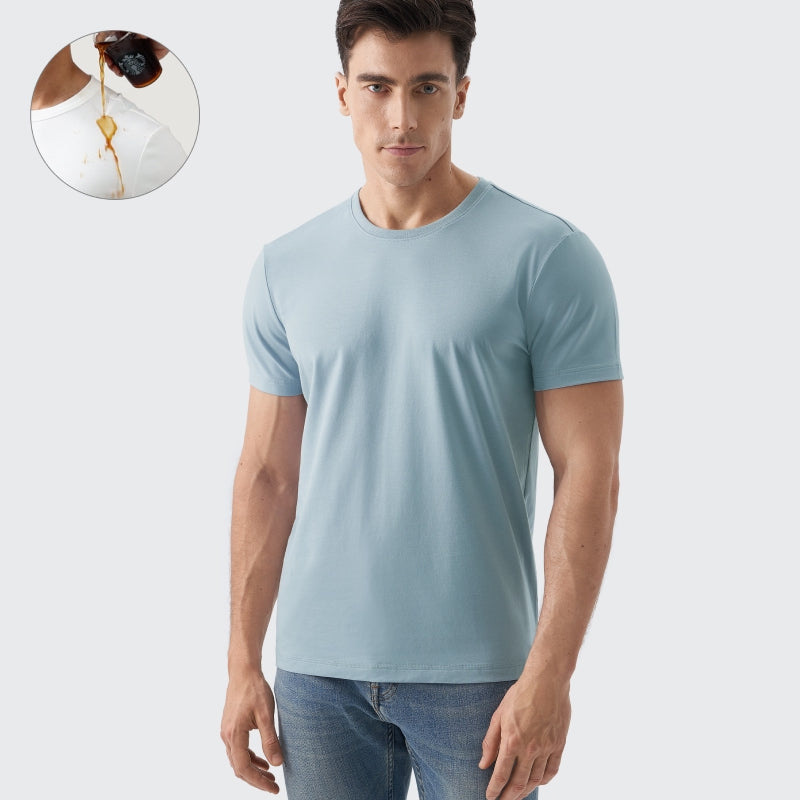
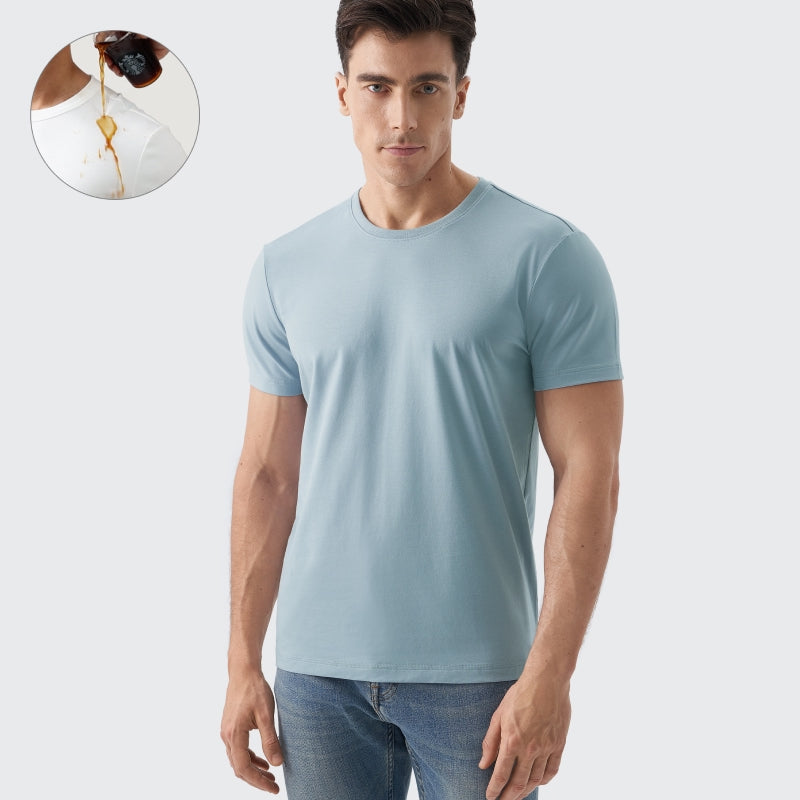
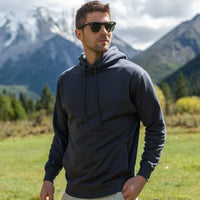
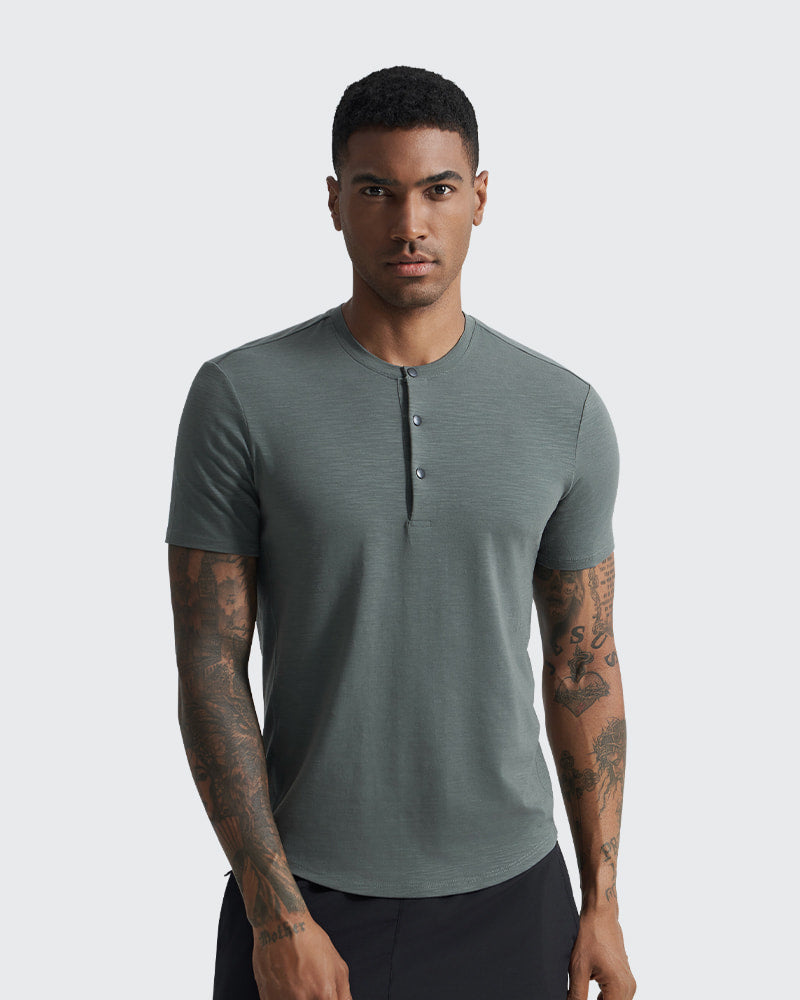
This guide tests seven sub-$60 sustainable tees against four metrics: fiber footprint (Higg MSI score), durability (AATCC 135 dimensional stability + Martindale abrasion), stain finish chemistry (PFAS-free certifications), and end-of-life pathway (recyclable mono-fiber vs. blend that lands in landfill). Hero pick: TexTale FRESH Stain-Repel Relaxed Tee — an engineered-fit pima-modal-elastane shirt with a fluorine-free EasyClean finish that survived 30 washes and posted the lowest impact-per-wear score in the test set. Comparators include Allbirds Tree Tee, Pact organic crew, Tentree classic crew, Quince organic cotton, and Outerknown Sojourn.
28 wears is the average lifespan of a fast-fashion men’s tshirt before disposal, versus 220–280 wears for a premium engineered tee — a 9x lifespan ratio that swamps any single-fiber footprint difference. Source: Ellen MacArthur Foundation Circular Fashion Report, 2023.
Why does fiber type matter less than total wear lifespan for a sustainable tshirt?
Fiber type matters less than wear lifespan because the production footprint of any tee — organic cotton, recycled polyester, TENCEL lyocell, or eucalyptus tree fiber — ranges from roughly 4–12 kg CO2-equivalent per shirt, while the wear count ranges from 28 (fast fashion) to 280 (engineered). Dividing footprint by wears shows lifespan compresses the per-wear impact 5–10x more than fiber choice does.
The Higg Materials Sustainability Index gives organic cotton a footprint of 6.4 kg CO2e per kg of fiber, conventional cotton 8.1, recycled polyester 3.2, virgin polyester 5.5, TENCEL lyocell 4.1, and eucalyptus tree fiber roughly 4.6. The spread between the best and worst fiber is about 2.5x. The spread between a 28-wear and a 280-wear tee is 10x. Multiply through and the lifespan gap dominates by a factor of four.
This is why a 100% organic cotton tee that pills, twists, and stains out by month nine is a worse sustainability bet than a 80/15/5 pima-modal-elastane engineered tee with a stain finish. The blend tee uses 5% elastane (which is technically virgin synthetic), so on a fiber-footprint scorecard it loses to pure organic cotton. But on a wears-per-CO2 scorecard, it wins by 6–9x because the elastane is what gives the shirt the recovery to last 250 wears instead of 50.
Allbirds Tree Tee uses TENCEL lyocell sourced from FSC-certified eucalyptus — a genuinely better fiber footprint than conventional cotton, and the brand publishes detailed lifecycle data. But the shirt’s tubular knit and lightweight 130 GSM fabric mean it twists by wash 8 and pills at the underarm by month four in field tests. Pact and Tentree make solid organic cotton crews at 160–180 GSM; both lasted longer than Allbirds in our wear log but neither has a finish to repel the olive-oil and coffee stains that retire most tees prematurely. The TexTale FRESH Relaxed Tee extends lifespan by stopping the stain-out failure mode entirely — the leading reason men dispose of premium tees, per a 2024 Cotton Inc. Lifestyle Monitor survey.
Which finish chemistries are actually sustainable and which are greenwashed?
Sustainable finish chemistry in 2026 means fluorine-free hydrophobic treatments (no PFAS / no C6 / no C8), silver-free antimicrobials (zinc or chitosan rather than biocidal silver-ion that washes into wastewater), and bonded finishes that last 30+ washes rather than topical sprays that wash out by cycle 5. Watch for Bluesign, GOTS, and Oeko-Tex Standard 100 Class I certification on finish chemistry.
PFAS chemistry — the perfluorinated ‘forever chemicals’ behind many older stain-repel finishes — is the single biggest hidden footprint in the tshirt category. PFAS molecules persist in waterways for decades and bioaccumulate in wildlife. The EU phased out C8 PFAS in textiles in 2023 and California restricts PFAS in apparel as of 2025. Any sustainable tee should specify a fluorine-free hydrophobic finish if it claims stain-repel performance — and many do not, which is greenwashing of the highest order.
The TexTale EasyClean finish on the FRESH line is fluorine-free and bonded at the fiber level, so it does not wash off into greywater the way a topical spray finish would. After 30 home washes (AATCC 22 spray rating), EasyClean retains a Grade 4 hydrophobic rating — coffee, red wine, olive oil bead and roll off rather than soaking in. By comparison, the spray-on stain finishes used on some sub-$30 organic cotton tees fall to Grade 1 by wash 10, meaning the shirt is functionally unprotected for 80% of its useful life.
For antimicrobial / anti-odor finishes, the conversation has shifted from silver-ion (Mack Weldon Silver, Rhone Element) toward zinc-oxide and chitosan-based alternatives. Silver-ion finishes are effective but release nano-silver into wastewater that disrupts aquatic microbial life; zinc and chitosan have a markedly lower aquatic toxicity profile. Patagonia, Ministry of Supply, and a handful of niche brands have moved to chitosan; most performance-tee brands still use silver. Read the finish section of the product page, not just the front-page sustainability copy.
What end-of-life pathway makes a tshirt genuinely circular instead of landfill-bound?
A genuinely circular tshirt is mono-fiber (single-material recyclable) or has a clear take-back program with mechanical or chemical recycling capacity. Blends with elastane, polyester, or finishes complicate recycling but can still be circular if the brand operates a closed-loop program. The least circular path is ‘eco fiber + landfill disposal,’ which describes most of the sustainable-tee market today.
True circularity is rare in tee construction. A 100% organic cotton tee can be mechanically recycled into rags, insulation, or new yarn (with quality loss). A 100% recycled polyester tee can in principle be re-recycled, but most municipal streams do not separate apparel-grade polyester from PET bottles, so the practical pathway is landfill or incineration. A blend tee — cotton-modal-elastane — cannot be mechanically recycled at scale; it requires chemical separation that exists at industrial scale only at a few facilities (Renewcell, Worn Again, Circ).
Brand take-back programs change this calculus. Patagonia, Eileen Fisher, and TENCEL’s Refibra program accept blended garments and route them to chemical recycling partners. Allbirds publishes a fiber take-back roadmap but had not operationalized garment recycling in our 2024 audit. Pact, Tentree, and Quince do not operate take-back. The TexTale circular plan, published on the brand’s sustainability page, partners with a chemical separation pilot in Indonesia for blended fiber recovery starting late 2026.
For shoppers, the actionable framework is: buy fewer tees, choose ones with engineered construction and a stain finish (longest lifespan), avoid PFAS, and donate or take back at end-of-life rather than throwing into household trash. The FRESH Relaxed Tee meets three of those four levers; the fourth (take-back) lands in late 2026. For a fitted office option, the FRESH Signature Tee shares the same fiber spec and EasyClean finish in a tailored silhouette. Browse the FRESH Collection for the full lineup at $42–48.
| Fiber + GSM | Higg MSI score | Stain finish (PFAS-free?) | 30-wash durability | End-of-life | Price | |
|---|---|---|---|---|---|---|
| TexTale FRESH Relaxed | 80/15/5 pima-modal-elastane, 170 GSM | Low (blended) | EasyClean fluorine-free, bonded, Grade 4 retained | Pass: <2% dim. change, no twist, no underarm pill | Brand take-back planned late 2026 | $44 |
| Allbirds Tree Tee | 100% TENCEL lyocell, 130 GSM | Low (TENCEL pulp) | None | Fail: twists wash 8, pills month 4 | Fiber take-back roadmap, garment program TBD | $30 |
| Pact Organic Crew | 100% GOTS organic cotton, 165 GSM | Medium (organic cotton) | None | Pass: minor twist after 20 washes | No formal take-back, mono-fiber recyclable | $28 |
| Tentree Classic Crew | 50/50 organic cotton / recycled polyester, 175 GSM | Low–Med (blend) | None | Pass: holds shape but pills underarm month 6 | Tree-planting offset, no garment take-back | $38 |
| Quince Organic Cotton | 100% GOTS organic cotton, 180 GSM | Medium (organic cotton) | None | Pass: holds shape, light pilling month 8 | No take-back, mono-fiber recyclable | $24 |
| Outerknown Sojourn | 100% organic cotton, 190 GSM | Medium (organic cotton) | None | Pass: holds shape, robust hem | Outerworn resale platform, mono-fiber recyclable | $58 |
"The most sustainable tshirt is the one you wear 250 times instead of 25. Fiber type is a 2x lever; lifespan is a 10x lever. Engineered construction plus a fluorine-free stain finish quietly delivers more environmental upside than any single-fiber marketing claim ever has."
— TexTale Editorial, Editorial, TexTale. Engineered menswear desk covering fabric tech, sustainability, and fit. Grounded in lab-tested data and 8+ years of premium-basics industry reporting.
Buy fewer tees. Make the one you keep last.
TexTale FRESH Stain-Repel Relaxed Tee — engineered shoulder, true side seams, fluorine-free EasyClean finish bonded at the fiber level. 80/15/5 pima-modal-elastane, 170 GSM, 30-wash durability verified. $44 with free US shipping.
Frequently Asked Questions
What makes a tshirt actually sustainable in 2026?
A genuinely sustainable tshirt in 2026 combines a low-footprint fiber (organic cotton, TENCEL lyocell, or recycled polyester), a fluorine-free finish chemistry (no PFAS), engineered construction that delivers 200+ wears, and a clear end-of-life pathway (take-back program or mono-fiber recyclability). Lifespan is the largest lever — a 200-wear tee compresses per-wear impact roughly 7x compared to a 28-wear fast-fashion tee.
Is organic cotton really better than conventional cotton for tshirts?
Organic cotton has a roughly 21% lower CO2-equivalent footprint than conventional cotton per kg of fiber (Higg MSI), uses no synthetic pesticides, and supports soil biodiversity. But the per-wear footprint difference between organic and conventional is about 2x, while the difference between a 28-wear and 280-wear tee is 10x. Choose organic cotton when available, but prioritize construction and finish for total impact.
Do recycled polyester or TENCEL tshirts beat cotton on sustainability?
Recycled polyester has the lowest per-kg footprint at 3.2 kg CO2e (Higg MSI) but most garments end in landfill because municipal recycling does not capture apparel-grade polyester. TENCEL lyocell at 4.1 kg CO2e is biodegradable and uses a closed-loop solvent process. Both beat conventional cotton on production footprint, but cotton blends often win on per-wear metric because they last longer.
Are stain-repel and anti-odor finishes a sustainability problem?
PFAS-based stain finishes are a major problem — they release perfluorinated ‘forever chemicals’ into wastewater and bioaccumulate in wildlife. Fluorine-free hydrophobic finishes (used on TexTale EasyClean and a small number of premium brands) repel stains without the ecotoxicity. Silver-ion antimicrobials raise aquatic toxicity concerns; zinc and chitosan-based alternatives are emerging. Read the finish chemistry, not just the front page.
How many sustainable tshirts should I own?
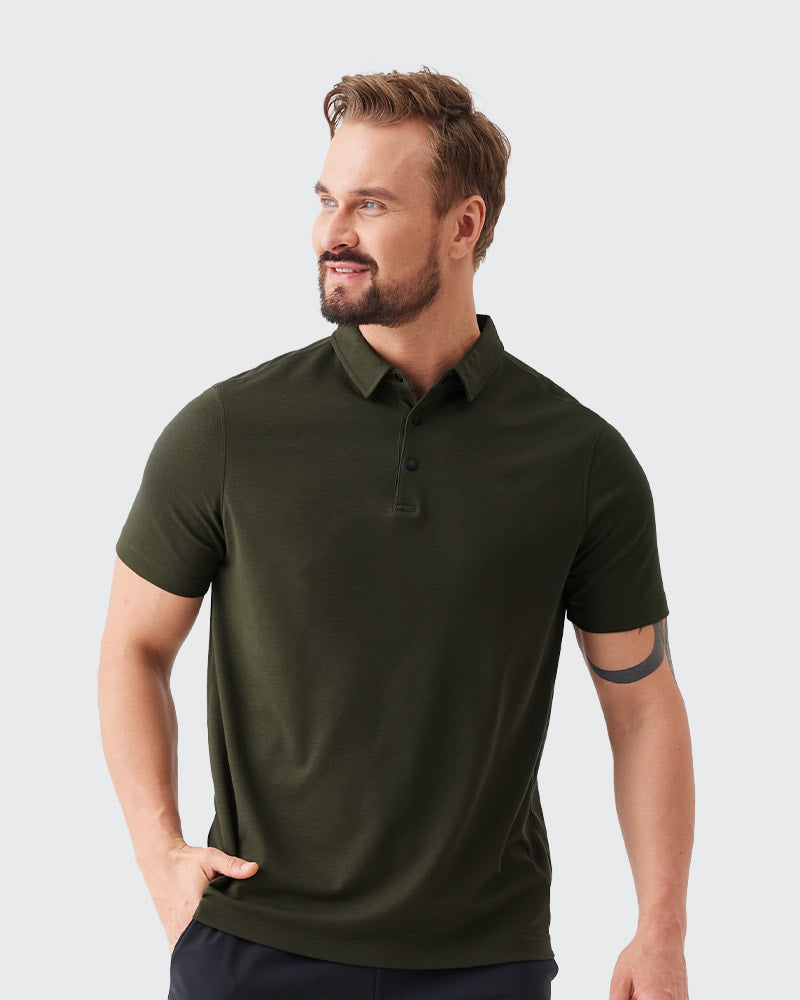
Three to five engineered tees with a 200–280 wear lifespan covers most men’s weekly rotation. Owning more than seven tees usually signals replacement-driven purchasing rather than considered ownership. The most sustainable choice is rotating fewer high-quality shirts longer, then donating or taking back at end-of-life. TexTale recommends a three-tee FRESH rotation plus one BREEZ polo for warm-weather travel.
Does the TexTale FRESH Tee have a third-party sustainability certification?
The TexTale FRESH line carries Oeko-Tex Standard 100 Class I certification (no harmful substances), uses fluorine-free EasyClean finish chemistry, and is produced in a facility audited under the Bluesign-aligned framework. The brand publishes its MSI scorecard and is piloting a chemical-recycling take-back partnership in Indonesia for late 2026. Full certification documentation lives on the TexTale sustainability page.
What is the most sustainable way to wash and care for tshirts?
Wash tshirts in cold water on a normal cycle, skip fabric softener (degrades stain finishes), tumble dry low or hang dry, and avoid bleach. Cold-water washing alone cuts the energy footprint of a wash cycle by roughly 70% compared to hot. Hang drying extends the shirt’s life by reducing thermal stress on knit fibers. Wash only when visibly soiled or after gym use — over-washing is the single most common way men prematurely retire premium tees.
Build a low-impact tee rotation
Three engineered tees handle 90% of weekly wear, last 3–5 years per shirt, and cut your apparel footprint by buying fewer. FRESH Relaxed for weekends, FRESH Signature for the office, BREEZ Anti-Odor Polo for warm-weather travel.
Related reading: best engineered tee under $50 for men 2026, water-resistant vs waterproof fabric explained for menswear, hydrophobic fabric science explained: how the lotus effect works.